
Research Foundations of Guided Inquiry Design®
Guided Inquiry Design® is not a trend. It’s a research-based framework built directly from over 30 years of empirical study on how students learn. Co-created with the original researcher, Dr. Carol Kuhlthau, GID integrates the full scope of her groundbreaking work, from the Information Search Process and Zones of Intervention to the 6 C’s for understanding and the known enablers of inquiry.
It’s the model that brings it all together in a practical, classroom-ready framework that works across subjects and settings, guiding students through deep, self-directed research and learning.

Dr. Carol Kuhlthau
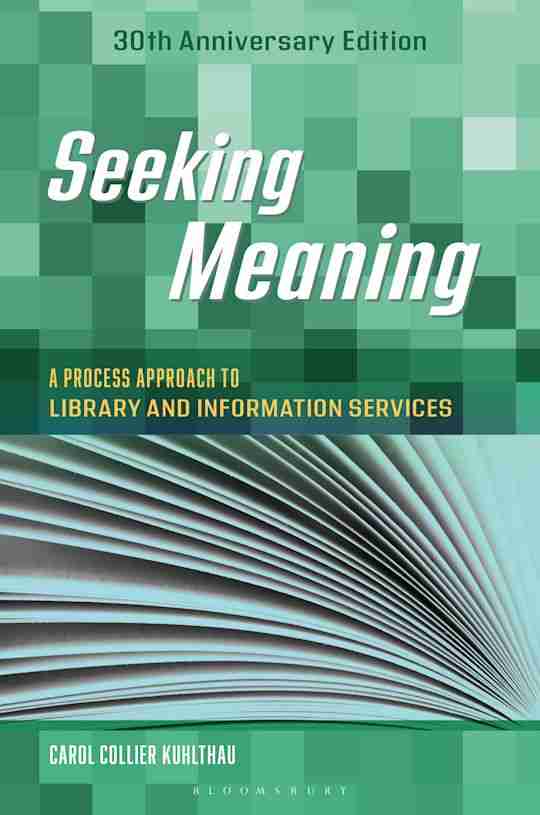
Seeking Meaning

What the Research Reveals
Dr. Kuhlthau’s Information Search Process (ISP) fundamentally reshaped how we understand student learning through research. Her findings inform every aspect of Guided Inquiry Design® and show why assigning a “research project” isn’t enough.
1. Uncertainty is a Sign of Engagement, Not a Problem
Students begin the research process feeling uncertain or anxious — and that’s normal. These emotions signal cognitive engagement and the beginning of real learning. Rather than being avoided, uncertainty must be supported.
2. Learning is Emotional, Cognitive, and Behavioral
Kuhlthau found that learning from information isn’t just about thinking — it also involves feeling and doing. Recognizing students’ emotional states (like frustration or confusion) helps educators respond with timely support and encouragement.
3. There are Critical Stages Before Students Choose a Topic
Authentic inquiry doesn’t start with a topic. Students need time to build background knowledge, explore diverse ideas, and reflect before they can formulate a meaningful focus. Jumping ahead short-circuits the learning process.
4. Students Learn Through Process, Not Just Product
The ISP is a recursive, non-linear process with distinct phases—from initiation and exploration to focus, collection, and presentation. Learning happens through these stages, not just at the end. Rushing to product undermines depth.
5. All Learners Need Just-Right Support
Research is not a solo act. Students need a structured process, reflection points, and adults who know when and how to step in. Kuhlthau’s Zones of Intervention highlight how effective support is responsive, not prescriptive.
6. The Librarian Is a Key Instructional Partner
Librarians bring specialized expertise in information literacy, credibility, and strategic searching. When integrated as instructional partners, the whole learning experience improves.
Why This Matters to Schools and District Leaders
Boosts Student Outcomes
Builds Research Readiness for the Real World
Informs Curriculum and Instructional Design
Supports Equity and Engagement
GID: Research Translated Into Practice
| Research Principle | GID Practice |
| ✅ Uncertainty in learning is normal | ✅ Open & Immerse phases provide emotional entry points |
| ✅ Students need time before identifying a focus | ✅ Explore and Identify phases are intentionally built in |
| ✅ Collaboration enhances understanding | ✅ Built-in roles, protocols, and co-planning tools |
| ✅ Mediation is essential | ✅ Co-teaching models, reflection points, and Zones of Intervention |
| ✅ Inquiry has a structure and flows with students | ✅ GID’s 8-phase process offers just-right guidance and tools |
A Note on the Research Legacy
Dr. Kuhlthau’s work combined rigorous qualitative and quantitative methods to explore how learners make meaning from information. Her research remains one of the most cited in the field—and continues to shape library programs, instructional systems, and inquiry-based education globally.
Dig Deeper Into the Foundations
Third Space – Where student voice, culture, and curriculum meet
Cited Works – Articles, publications, and peer-reviewed research
Dr. Kuhlthau’s Selected Readings – Curated list of foundational texts
Download – Research Behind the Tools PDF
Why It Matters Now
In a time when “inquiry” is often reduced to surface-level projects or AI-generated answers, Guided Inquiry Design® restores depth, humanity, and rigor to student learning. It gives educators a structure to teach students how to learn—backed by decades of research and refined through real classrooms.
Watch: Dr. Carol Kuhlthau on the Foundations of Inquiry
In this short lecture, Dr. Kuhlthau explains the origins of the Information Search Process and how it shaped the development of Guided Inquiry Design®. Hear directly from one of the world’s most influential information science researchers about why inquiry learning must be guided—and how her research helps us do it well.